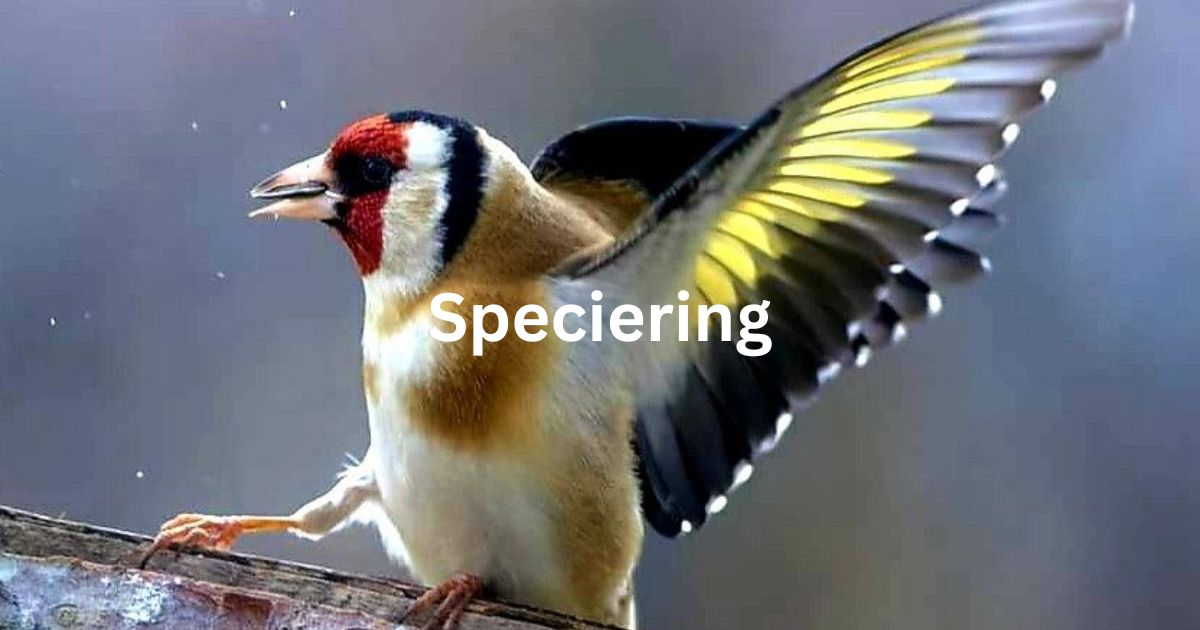
Speciering is simply the emerging and evolving process of new species, and contributes to the incredible biodiversity and adaptation we observe across the planet; it is a gradual process driven by genetic variation, natural selection, and environmental pressure, and it is happening now. Every plant, animal, or microbe you see today exhibits some evidence of this ongoing process of change.
Speciering simply describes how living things evolve and adapt to different habitats or climates from a common ancestor. It is evident from the Galapagos Islands to urban landscapes, this process of life sustaining its continual evolution defines the sheer rhythm of biological life. Understanding speciering not only gives us a glimpse of our planet’s past, but can help predict how species will respond to rapid changes to the planet.
What Is Speciering?

In simple words, Speciering is how one species splits into two or more over time. The phenomenon of speciation occurs when populations diverge so much that they can no longer their genotypes are so different that they can no longer interbreed any more to produce fertile offspring. This separation is called reproductive isolation, which creates the conditions for evolution to create its masterpieces.
Over thousands of generations, these isolated populations acquire differences through genetic drift, mutation, and selective pressure, which ultimately produce a brand-new species.
Defining Species – Biological and Conceptual Foundations
The concept of a species seems simple, but defining one is one of the biggest challenges in science as well. The biological species concept defines a species as a group that shares a common gene pool and can interbreed to produce viable or fertile offspring. However, nature rarely works in clean cases. Taxonomy and classification of species is often predicated on physical and behavioral traits, lineages and genotypes, and evolving species boundaries.
In actuality, the ecological balance of the environment is also an important consideration. Even within an ecosystem, small genetic differences can create reproductive isolation and ultimately underscore the processes of speciation.
The Process of Speciering in Evolution
Every Speciering story begins with a population sharing the same gene pool. Then, something changes — geography, environment, or behavior, dividing the group. Over time, gene flow restriction causes these separated populations to evolve independently.
The result? Distinct genetic paths, each adapting uniquely to its habitat. Whether caused by habitat fragmentation or climate change and evolution, the outcome remains the same: diversity grows, and nature thrives.
Mechanisms and Types of Speciering
Different mechanisms drive the formation of new species, and understanding them helps us see how evolutionary mechanisms shape life.
Allopatric Speciering (Geographic Isolation)
This is the classic form — when populations are separated by mountains, rivers, or oceans. Over time, geographic isolation leads to unique adaptations. The story of Darwin’s finches from the Galápagos Islands is the best example, where isolation created birds with specialized beaks through adaptive radiation.
Sympatric Speciering (Ecological Divergence)
Here, new species emerge within the same area. For example, Apple maggot flies in North America shifted from hawthorn trees to apple trees, leading to ecological divergence without physical barriers.
Parapatric Speciering (Partial Separation)
When populations live side by side but rarely mix, parapatric speciering occurs. Over time, even a small difference in environment or mating behavior creates reproductive isolation.
Peripatric Speciering (Founder Effect)
A few individuals may migrate and start a new colony, taking only a fraction of genetic diversity. This founder effect can rapidly lead to new forms, especially in isolated regions.
Hybrid Speciering (Genetic Mixing)
In some cases, two species interbreed and form a third. This hybrid speciering happens in plants and some animals, mixing genetic engineering from both parents.
Genetic and Environmental Factors in Speciering

Speciering is a delicate dance between genes and environmental adaptation. DNA mutations change traits, while environmental pressures decide which traits survive. Population genetics studies these shifts, revealing how even small genetic tweaks can spark big evolutionary change.
With modern tools like genome sequencing, scientists can trace how mutation accumulation leads to new life forms. Each gene tells a story, one of struggle, adaptation, and survival.
Natural Selection, Adaptation, and Evolutionary Pressure
At the heart of Speciering lies natural selection. It’s the silent force behind biological evolution, choosing which traits pass forward. When food sources, predators, or climate change change, species must adapt or fade away.
These natural selection pressures drive adaptive evolution, shaping organisms over vast timescales. It’s why African cichlid fish evolved hundreds of species in isolated lakes — each perfectly fitted to a niche.
Examples and Case Studies of Speciering in Nature
Nature offers countless speciation examples in nature that illustrate life’s adaptability.
Darwin’s Finches (Adaptive Radiation)
On the Galápagos Islands, Darwin’s finches evolved diverse beak shapes to exploit different food sources, a clear result of adaptive radiation.
African Cichlid Fish
In Africa’s Great Lakes, African cichlid fish underwent explosive speciation, driven by environmental adaptation and sexual selection.
Apple Maggot Flies
The shift of Apple maggot flies from native hawthorn trees to apples led to ecological divergence, a modern example of ongoing speciering.
Microbial Speciering in Bacteria
In microorganisms, microbial speciering occurs through mutation and inheritance at lightning speed, showing how evolution never stops — even in the tiniest cells.
| Species Example | Type of Speciering | Key Mechanism |
| Darwin’s Finches | Allopatric | Geographic Isolation |
| African Cichlids | Sympatric | Ecological Divergence |
| Apple Maggot Flies | Parapatric | Behavioral Isolation |
| Bacteria | Hybrid/Microbial | Genetic Mutation |
Speciering in the Fossil Record
The fossil record gives us snapshots of the species formation process across ages. Transitional fossils show the slow march from ancient ancestors to modern species. By studying evolutionary pathways, scientists can track when extinction and adaptation shaped Earth’s history.
Human Activities and Their Influence on Speciering
Modern humans are both creators and destroyers of evolution. Human impact on evolution has accelerated urban evolution, changed habitat fragmentation, and even caused human-induced evolution through pollution, agriculture, and artificial selection.
As cities expand, urban biodiversity forces animals to evolve quickly pigeons, insects, and even plants are now adapting to survive in man-made ecosystems.
Speciering Beyond Biology
The concept of Speciering extends far beyond life science.
Speciering in Chemistry (Chemical Speciation)
In chemical speciation, scientists study how chemical elements form different ionic or molecular species in environments, a key area in environmental science applications.
Speciering in Environmental Science
Here, speciering describes how pollutants change form, affecting ecosystem resilience and biodiversity conservation.
Speciering in Technology and Data Science
In tech, technological evolution mirrors biological change. Systems evolve, adapt, and merge, just like species. Tools like AI modeling in biology and AI in evolutionary studies now simulate evolutionary pathways.
Speciering in Marketing and Communication
Even in business, “speciering” can describe how brands split into sub-niches, a kind of marketing adaptation driven by audience evolution.
Speciering and Conservation

Understanding Speciering helps protect biodiversity conservation. Conservationists use this knowledge to maintain ecological balance and strengthen ecosystem resilience.
Through conservation biology, scientists aim to preserve evolving populations before human actions erase their future.
Challenges and Controversies
Despite progress, Speciering research faces debates, from defining species boundaries to predicting climate adaptation. Some argue that genetic drift alone drives evolution, while others emphasize natural selection or mutation accumulation.
The truth likely lies in their interaction, weaving together randomness and necessity in evolution’s grand design.
Future of Speciering Research
Tomorrow’s breakthroughs may come from synthetic biology, genetic engineering, and AI in evolutionary studies. These tools could soon predict evolutionary change or even create new species artificially, blurring the line between natural and designed life.
Why Studying Speciering Matters
Understanding Speciering isn’t just about science; it’s about survival. As climate change and evolution reshape the planet, knowing how species form helps us protect those on the edge.
Each evolutionary mechanism tells us how life adapts, reminding us that biodiversity and adaptation are not luxuries, but the essence of Earth’s resilience.
Frequently Asked Questions (FAQs)
What is the difference between speciation and speciering?
Speciation is the process; Speciering emphasizes the ongoing, dynamic nature of species formation.
Can Speciering occur in microorganisms like bacteria?
Yes, microbial speciering happens rapidly through mutation and inheritance in bacteria and viruses.
How does human activity trigger Speciering events?
Through urban evolution, habitat fragmentation, and artificial selection, humans accelerate evolution.
What tools are used in chemical Speciering?
Chemical speciation relies on environmental science applications, spectroscopy, and molecular modeling.
Can Speciering be applied in artificial intelligence or data science?
Absolutely, AI modeling in biology now simulates evolutionary pathways for research and innovation.
Why is Speciering crucial for environmental conservation?
It helps scientists understand biodiversity conservation and maintain ecological balance under human impact.
Conclusion
Speciation is one of the most awe-inspiring forces driving the full creativity of life. It is the quiet creator of new species and how organisms adapt, survive, and thrive on the planet. Through natural selection, genetic drift, and changing environmental pressures, life is still diversifying, which leads to the great biodiversity and consequent adaptations of life we see today. Understanding the process of speciation clarifies nature’s evolutionary past and our growing role in nature’s future.
As climate change, human activity, and technology reshape ecosystems, studying speciering becomes essential for preserving species diversity and maintaining ecological balance. Ultimately, the science of speciation reminds us that evolution never stops—it simply finds new ways to express life’s infinite potential.